
Lessons I Learned from My Toddler: Self-Compassion Edition

Updated: Mar 2
Written By: Niki Pillitteri, RDN, LDN
“The Power of Curiosity"
If toddlerhood could be summed up in one word, I don’t think I
would be the only parent to suggest the word curiosity. I instantly
think of the quintessential toddler innocently questioning “why?” to
every answer their parent is giving them until the parent ultimately
gives up because they don’t know the answer themselves. (Take
note of this parenting hack I stumbled upon a few years ago: ask the
toddler “Why do you think?”)
Toddlers are boundary testers to the Nth degree and for good reason
(even if it wears our patience down to the bone at times). They are
little humans exploring their surroundings trying to make sense of
the world they’ve been born into not so long ago. Like my son’s
recent “Why is water wet?” and “Why is the ground hard?” I think
toddlers can be wonderful reminders for us adults to slow down and
stay curious, especially when it comes to ourselves.
I think a lot of times (almost always?) we can get caught up with
judgement when we are questioning why we ourselves are doing
certain things or not doing other things as often as we’d like,
especially when discussing things that lead to mental or physical
feelings of distress in the body.
For example, one may question:
“Why do I keep ______?” There can certainly be benefit in
understanding our actions, though it is helpful and quite honestly
necessary to remove our judgement.
A way that I often invite us to question without judgement is reframing to use:
“I wonder why/what…” statements. For example, “I wonder why I keep______?”
-or-
“I wonder what purpose ______ is serving me right now?”
Sometimes just inserting in those few little words of wonder
and inviting in a little bit of toddler-like curiosity can offer a bit more compassion to guide us to understanding ourselves with less harshness.
In the words of our household-favorite Daniel Tiger, “When you wonder, you can try to find out more.”

Most folxs are inherently compassionate, but mostly toward others and usually less often towards themselves. They find themselves being their worst critic, and speaking to themselves in a way they would never even speak to their worst enemy. Self-compassion is turning that compassion you possess for others inwards. When we act in self-compassion, we are treating and speaking to ourselves in a way in which we would a good friend.
I would not be able to write a blog centered around compassion
without giving kudos to Dr. Kristin Neff, a pioneer in self-
compassion research. She offers a collection of various self-
compassion resources on her website, including a quiz you can take
to test how self-compassionate you are:
She also offers a handful of different exercises that you can try out
as well to help access your inner self-compassionate voice. If you
are more of an audio learner, she has a wonderful TEDx Talk that
introduces the concept of self-compassion and its benefits that you
can access here:
Some folxs fear that being kinder and more compassionate to themselves will not lead to improving things and give them permission to keep things status quo. But if you look at some of Neff’s research, you can familiarize yourself with what she’s actually discovered about folxs who practice more self-compassion.
They tend to have:
Less depression
Less anxiety
Less stress
Less perfectionism
More appreciation of their bodies
Increased life satisfaction
Greater motivation
Greater resiliency when faced with hardship
More sense of connectedness to others
The next time you notice your own self-critic, I invite you to reign
in your curiosity and remember to be compassionate to yourself,
always.
Compassion is at the heart and soul of what we do each day at
Beyond Therapy & Nutrition Center. We are a team of therapists and
registered dietitians who all provide compassionate, weight-
inclusive, trauma-informed care and we would love to connect with
you! If interested in working together, please reach out to us at hello@beyondnewtown.com
Written By:
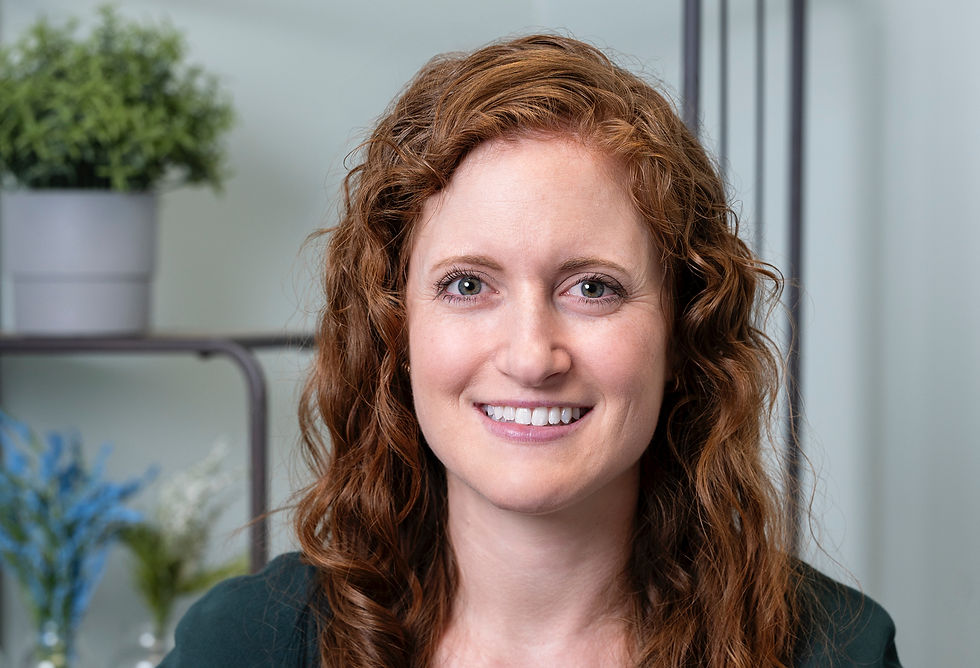
Registered Dietitian , Beyond Therapist and Nutrition Center
If you are searching for ways to support yourself more,
reach out to the eating disorder and perinatal mental health therapists and eating disorder dietitians at Beyond Therapy and Nutrition for support.
Beyond therapy and Nutrition Center offers HAES-aligned
eating disorder therapy, maternal mental health therapy, and eating disorder nutrition services in Newtown, PA!
Beyond also offers virtual eating disorder therapy and virtual
eating disorder nutrition services!


Comments